A Self-Guided Trip to Koprivshtitsa: Bulgaria's Best-Preserved Revival Town
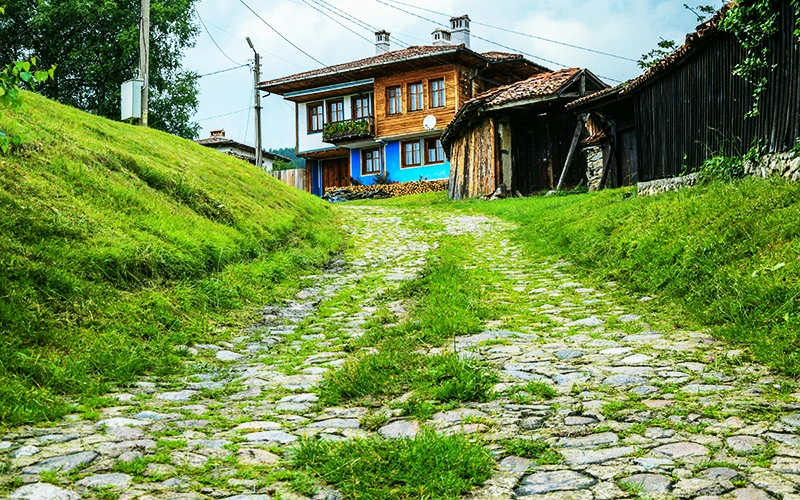
Koprivshtitsa is the easiest self-guided trip in Bulgaria to get right - and the hardest to forget. The town sits about 110 km east of Sofia in the Sredna Gora mountains, at roughly 1,060 m above sea level. Fewer than 2,500 people live there, yet the town protects close to 380 listed architectural and historical monuments. It has been a national architectural reserve since the 1950s, which is why the cobbled lanes, painted façades and wooden gates look almost untouched.
You do not need a guide here. The town is small, walkable and clearly signposted in English. What you need is a plan.
Why Koprivshtitsa Suits a Self-Guided Trip
Three practical reasons stand out after years of sending travellers here:
- Everything is within walking distance. The historic core measures roughly 1 km end to end. No transfers, no waiting for a minibus.
- The museums are ticketed individually. You choose what interests you instead of following a fixed group route.
- There is no crowd pressure. Unlike Rila Monastery, which absorbs several hundred coach passengers a day in summer, this town rarely feels congested outside festival weekends.
Getting to Koprivshtitsa From Sofia
By car (recommended)
Drive time is about 1 hour 30 minutes. Take the Trakia motorway (A1) east, then the marked exit toward Anton and Koprivshtitsa. The final stretch is a mountain road - fine in a normal car, but slow in winter. Park at the edge of the old town and walk in; the cobbles are hard on low suspension.
By bus
Buses depart from Sofia Central Bus Station. Journey time is roughly two hours. Departures are limited - often only a couple per day - so check the return time before you buy the outbound ticket. This is the single most common planning mistake.
By train
Trains on the Sofia-Burgas line stop at Koprivshtitsa station, but the station lies about 9 km outside town. A shuttle bus meets most arrivals. It is scenic and cheap, though slower than the bus.
Expert tip: Bulgaria adopted the euro on 1 January 2026, and the euro has been the sole legal currency since 1 February 2026. Small museums and family guesthouses still prefer cash, so bring coins and small notes. There are few ATMs in town.
The Six House-Museums Worth Your Time
The museum network runs six restored homes. A combined ticket costs less than buying each separately and is sold at any of them.
- Oslekov House - built in the 1850s for a wealthy merchant. The painted façade and cedar columns are the finest example of Plovdiv-influenced Revival design in town.
- Lyutov House - famous for its blue exterior and a domed ceiling rosette that took months of carving.
- Todor Kableshkov House - home of the man who wrote the "bloody letter" announcing the April Uprising of 1876.
- Georgi Benkovski House - the uprising's military leader. The equestrian monument above town is a short uphill walk.
- Lyuben Karavelov House - a walled complex with a replica printing press used to spread revolutionary writing.
- Dimcho Debelyanov House - the poet killed in 1916. The bronze sculpture of his waiting mother in the church yard is the town's most photographed image.
Opening hours shift between summer and winter, and one or two houses may close on a rotating day. Confirm before travelling if a specific house is your reason for going.
A Walking Route That Works
Allow four to five hours. This order minimises backtracking on steep lanes:
- Start at the main square and the tourist information office. Buy the combined ticket here.
- Walk to Oslekov House, then Lyutov House - the two strongest architecture stops.
- Continue downhill to the Church of the Holy Virgin and the Debelyanov House beside it.
- Cross to the Bridge of the First Shot, where the 1876 uprising began on 20 April (2 May, new style).
- Climb to Benkovski's monument for the best view over the red roofs.
- Finish with a late lunch on the river. Order cherven sos or grilled lamb - the local mountain cuisine is heavier and better than Sofia's tourist restaurants.
Pros and Cons of Going Independently
Advantages
- You set your own pace and skip museums that do not interest you.
- Costs are low: transport plus tickets plus a meal usually stays under €40 per person.
- You can stay overnight in a Revival guesthouse, which day-trip groups never do.
Drawbacks
- Public transport timetables are thin and change seasonally.
- Museum labelling is good but brief; the historical context of 1876 is easy to miss without reading ahead.
- Winter access can be affected by snow on the approach road.
Practical Tips From Experience
- Go on a weekday. Bulgarian visitors fill the town on Saturdays and Sundays.
- Wear real shoes. The cobblestones are original river stone, uneven and slippery when wet.
- Dress for altitude. At 1,060 m the town runs 5-7°C cooler than Sofia. Evenings are cold even in July.
- Book ahead in festival years. The National Folklore Festival is held roughly every five years on the Voyvodenets meadow and fills every bed for 40 km.
- Stay the night. The town empties after 5 pm, and that quiet hour on the cobbles is the real reward.
A self-guided visit to Koprivshtitsa gives you what a coach tour cannot: time. Time to sit in a merchant's courtyard, to read the plaque on a bridge where a national revolt started, to eat slowly. Plan your transport carefully, buy the combined museum ticket, and give the town a full day rather than a rushed morning. Done properly, Koprivshtitsa is the most rewarding independent trip you can make from Sofia.